The Kiwi Ears x Z Reviews Serene are a set of wired, closed back headphones that feature planar magnetic drivers. The headphones have been designed by Kiwi Ears in collaboration with Z Reviews, hence the name.
Planar magnetic drivers are built differently to diaphragm or dynamic drivers found in most headphones.
Instead of a single diaphragm that vibrates using a coil and a fixed magnet, the planar magnetic drivers consist of a flat film that has a electrical conductor embedded in it. A set of electromagnets are used to vibrate this film, which is how it is able to produce sound.
The sound production is perhaps the most interesting aspect of planar magnetic drivers. Low frequency sounds are produced by vibrating the film at low frequencies; but high frequencies are produced by vibrating the film in between the vibrations of the low frequency sounds.
This means that planar magnetic drivers have very low distortion levels with a more accurate sound reproduction compared to dynamic drivers.
Whilst the film itself is lightweight the need for a field of electromagnets used to drive the film means that they tend to be a little heavier than normal drivers. They also have an increased power consumption and so aren't typically found in battery operated headphones or devices.
When Kiwi Ears approached me and asked if I wanted to review a set of planar magnetic headphones and I was intrigued. I had sampled a set of planar magnetic headphones in the past, but was keen to have a really good test of a them; especially from a company that I've come to trust with producing good quality headphones with decent audio reproduction.
In this article we will look at the Kiwi Ears x Z Reviews Serene headphones, their build quality, functionality, and how they sound.
Disclaimer: Kiwi Ears sent me the headphones for review, but they did not read the review before hand nor do they have a say in the opinions of the review. All the pictures in this post have been taken by myself, all opinions and observations are from my own use of the earphones over the last couple of weeks.
Package Contents
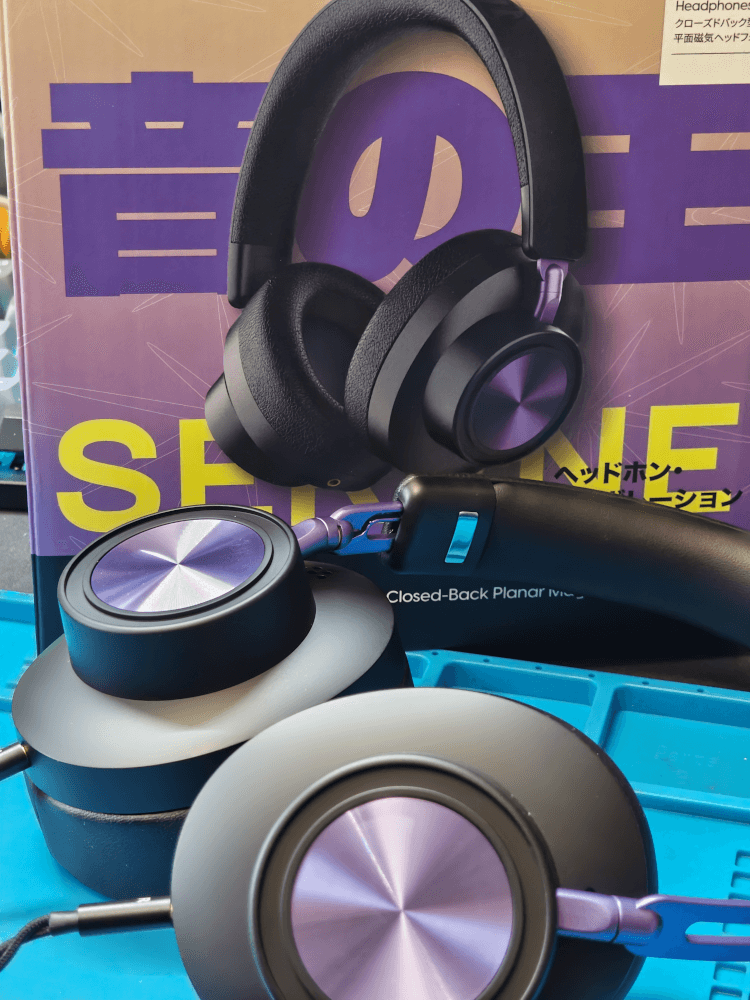
The Serene headphones come in a sturdy cardboard box that uses a minimal amount of plastic packaging.
In the box you get the following:
- Kiwi Ears x Z Reviews: Serene Headphones
- Detachable Audio Cable (3.5mm to Dual 3.5mm)
- User Manual
As you can see, there isn't much in the box but the headphones and a cable, so let's look into them.
The Headphones
The design of the Serene headphones is really good. The two ear cups are attached to the headband using solid feeling metal arms, which are easily adjustable. The adjustment is stays where it is as well, so you don't have to readjust them every time you put them on.
The detachable cable plugs is nicely braided and easily plugs into both the headphones and the audio source.
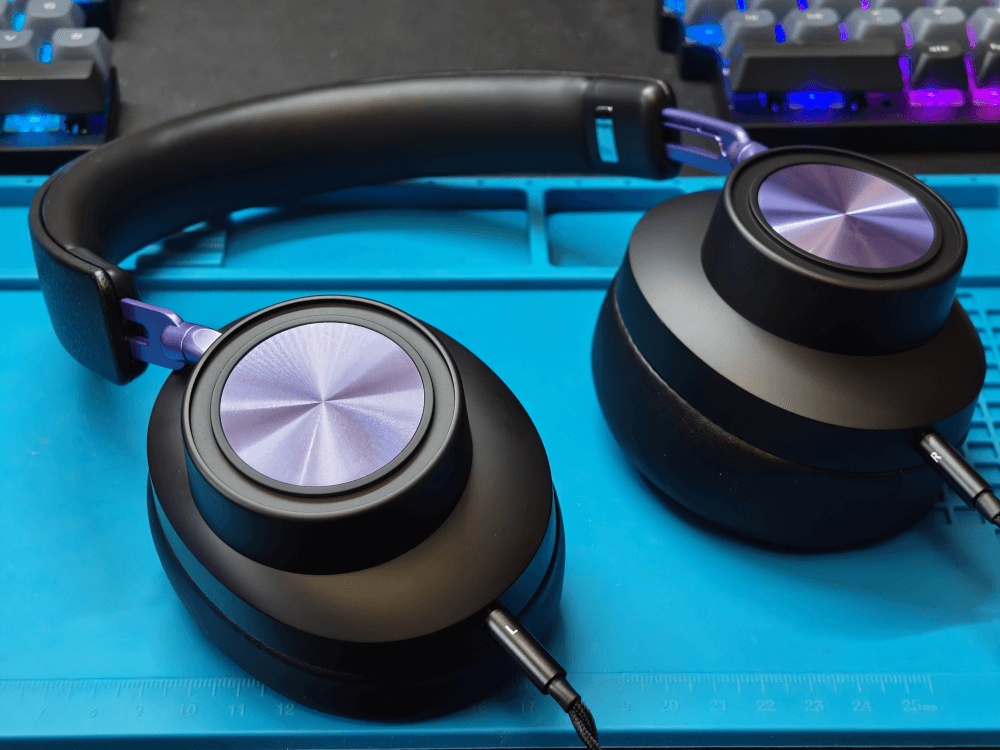
The ear cups are surrounded by faux leather pads, with soft padding around the headband. This makes them comfortable to use. The top of the headband has a number of logos for Kiwi Ears and Z Reviews, which is a nice touch.
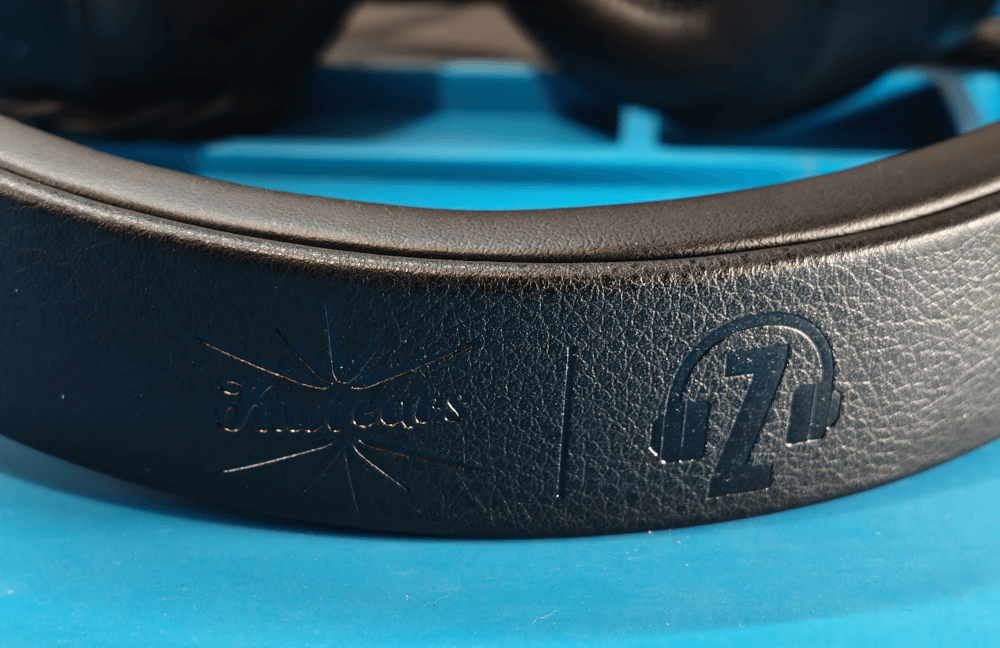
Features/Specs
The headphones have the following features and specifications.
- Driver Information - 72mm x 89mm Planar Magnetic Driver
- Impedance - 50ohms±15% at 1kHz (DC)
- F0 / Lowest Resonant Frequency - 130Hz±20%
- Sensitivity - 102dB±3dB (at 1kHz, Test Voltage: 0.179V)
- Rated Power - 10mW
- Maximum Power - 20mW
- Test Frequency Range - 20Hz–20kHz
- Voltage - 0.57V
- Total Harmonic Distortion (THD) - Less than 3%
- The Kiwi Ears x Z Reviews: Serene Comes with a 1 year warranty on the In-Ear Monitors and 3 month warranty on the cable.
How Do They Sound?
Perhaps the most important part of any headphones is how they sound, so let's dig into their sound reproduction abilities.
These headphones sound amazing. The sound they produce is highly detailed in both the low and high frequency range, and they really pack a punch in the low frequency ranges. I listened to them plugged into the output from a mains powered CD player and into an external USB audio interface plugged my computer.
Looking at the audio reproduction chart on earphonesarchive.squiglink.com shows that the headphones do have a small peak in the high base and a slight dip in the mid range. These aren't large deviations though and they do follow the centre line quite closely. More importantly, the left and right sides of the earphones have very similar profiles.
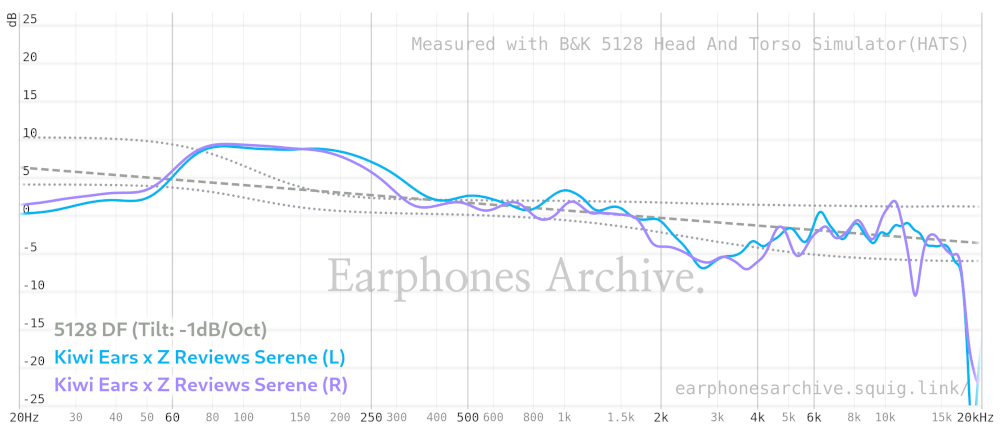
There is a bit of a drop off towards the high end of the graph here, although I don't think my ageing ears can really hear the difference.
I find a good heuristic that tells me if a set of headphones are decent is to listen to something you know well to see if you hear something new or different in a song you are familiar with. This can be subtle things like a more prominent bass signature causing low frequency sounds to be heard properly.
This happened when testing these headphones when I was listening to Neptune from the Holst: The Planets suite, performed by the Berliner Philharmoniker in 1981.
I've listened this particular recording of The Planets suite for many years, but what I've never noticed in that track was that around the 5 minute mark there is a loud bang in the background. Clearly caused by someone slamming a door or knocking something over, but I could clearly hear it in the recording and I've never noticed it before. Going back and listening to that section again I could hear paper rustling, seats being shifted around, even the background noise from the instruments being played. I've never noticed how poor that recording is!
I realised whilst testing these headphones that I have a number of songs that I often pick in order to test different aspects of audio. Here are a few of them, with links to Tidal if you want to listen to them (I make no apologies for the awesomeness you are about to hear).
LET IT RIP -Download from JOUJOUKA by The Mad Capsule Markets
LET IT RIP starts with a bass beat where all of the high frequency noise if turned down. This thick bass beat is joined by a slowly increasing treble before the track begins. A bad set of speakers will struggle to reproduce the initial beat and you'll only hear the song when the treble kicks in. I find this track a good way of testing the bass response of all my audio equipment; the higher the quality of the drivers, the less muddy the track sounds. Plus, the rest of the track is very good as well, although sort of a slow track for The Mad Capsule Markets. My laptop, for example, has such terrible speakers that the start of this song doesn't even register at all until the treble kicks in.
The Serene has no problems with this track at all and can play it fully and correctly from the very start.
Kingdom by Devin Townsend
I've only recently got into Devin Townsend, but his music consists of some really intricate, complex, and multi-layered songs. I particularly like the song Kingdom, but it also a good test as a set of bad speakers just can't keep up with the changes and complexity going on here. With good speakers you'll really hear every aspect of the track in detail.
I think the planar magnetic drivers in the Serene means that it has no problems reproducing all the complexity of this track.
Killing In The Name - Rage Against The Machine
The self title debut album from Rage Against The Machine was the first CD I bought. I don't listen to it much these days, but due the popularity of this track I have heard it a million times in a variety of different settings. As a result, I can quickly tell if the sound reproduction is off, or if the tonal quality isn't great.
I can confirm that the Serene headphones play this track correctly.
Transilvanian Hunger - Darkthrone
This 1994 track was recorded quite early in the creation of the black metal scene, when there wasn't a lot of money to pour into recording studios for obscure metal bands playing extreme music. As a result, many of the recordings of artists in this era are very much "lo-fi" with Transilvanian Hunger being a well-known song (and album) in this regard. Any decent speaker should be able to cut through some of the low production quality and reproduce this song well.
Whilst the Serene isn't able to cut through the low quality of the recording, it does make listening to the track feel less like it was recorded on a digestive biscuit. Quite impressive considering the source material.
What tracks do you use to test audio hardware? Leave a comment below!
The Serene excelled at pretty much everything I threw at it. Music sounds amazing, and voices on podcasts and video meetings are clear.
How Are They To Use?
The headphones have some pros and cons to their design.
Pros
- The cable is braided and feels high quality with twisted fabric, which I haven't seen before. The little Kiwi Ears and Z Reviews logo in the middle is a good touch.
- Closed back design creates great sound isolation. It really blocks most outside noise, without any active noise cancellation at all.
- Solidly built with all metal hinges and heavy duty plastic elements.
- The adjustable headband is strong and will stay put after setting it to the size of your head.
- The ear cups are able to twist inwards, which is perfect for a set of headphones as it means they rotate slightly whilst in use and are able to fit the contours of your head much better.
- Comfortable to wear, even for long periods.
- The closed back and solid design makes these headphones block a lot of external noise. In fact, they block so much noise that they approach active noise cancelling levels. To be clear, they aren't active noise cancelling, but they certainly feel like they are.
Cons
- The cable on the Serene is quite short (about 140cm). Thankfully, since the cable is plugged into the headphones (rather than moulded) this can be easily swapped for a different cable if needed. They also transmit touch into the headphones as well so a swap might be a good idea.
- The cable only has a 3.5mm plug, which means that I needed to find an adaptor to plug it into the 6.35mm sockets in my audio interface.
- At 50ohms impedance you may find that these headphones won't work on some devices. The iPhone, for example, works best with about 32ohms output, so the requirement of 50ohms may make them sound little quiet on some devices. The headphones are certainly not difficult to drive, but you should match them with hardware accordingly.
Conclusion
I really like these headphones. They are perfect for coding as they isolate you from the world and don't require high volumes of sound to get highly detailed audio. I can put on some ambient music and get into the zone quite quickly.
The sound reproduction is really high quality with the sound profile following the line of best fit, and the left and right earphones match very closely in their output. These planar magnetic drivers are really something special.
They do need a little bit of breaking in so I would suggest leaving them to play music on their own for a while. After a bit the planar magnetic drivers will have relaxed and they sound really good. If you have a pair of these then reserve your judgement until after the first week.
Design-wise, the Kiwi Ears x Z Reviews Serene are decent as well. They don't extend too far out from the head and their subtle design actually belies the advanced drivers hidden within.
The purple colour is also a good addition, although it's a distinct look so you need to be sure you like the colour before going for them. The rest of my family love the colour purple, so I'm not sure how long I'll be able to keep hold of these.

The metal hinges on the earphones feel very solid, in fact the Serene feel very well made and should last a long time.
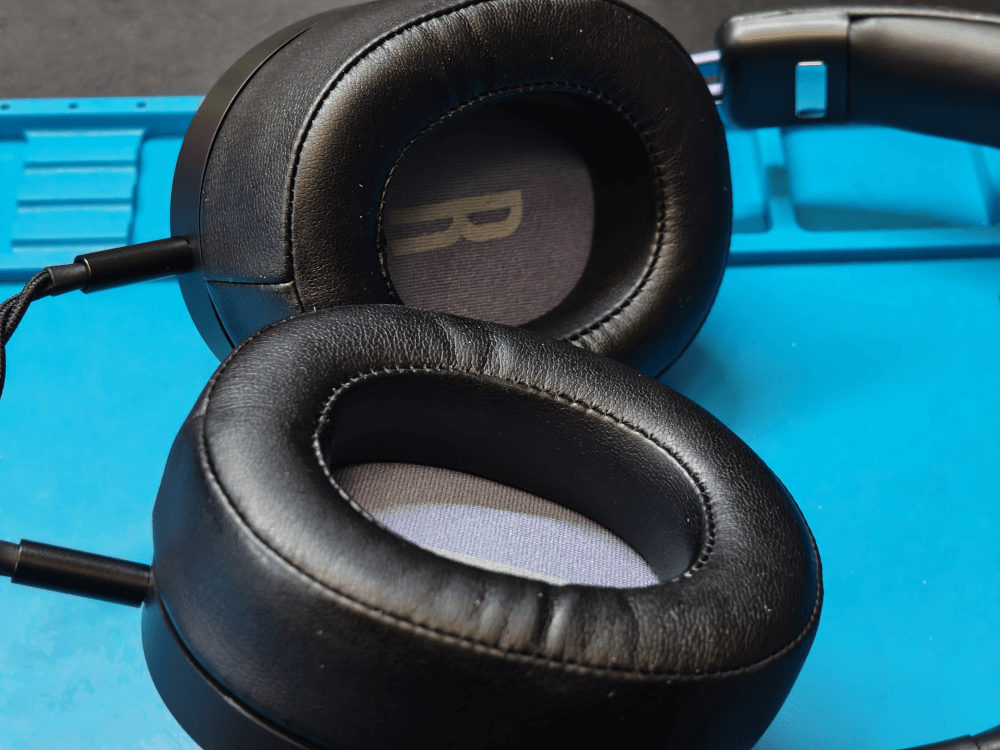
The Serene headphones are quite comfortable. In fact, I wore these headphones for about 15 hours a day for a couple of weeks whilst testing them and I didn't once get a headache from them.
These planar magnetic drivers are perfect for anyone wanting to improve their setup with a set of affordable headphones. The added weight and complexity, whist producing more accurate sounds, are more expensive than dynamic drivers. That being said, these headphones retail for £120, which I think is a very competitive price.
You can find the Kiwi Ears x Z Reviews Serene on the Kiwi Ears website.

Add new comment